
Apple is officially closing the door on the iOS 18 era. While the company has historically allowed a bit of breathing room for those reluctant to hit the “update” button, the release of iOS 26.2 signals the end of the line for holdouts. If you’re carrying an iPhone 11 or any model released since, you’re now being ushered—somewhat forcefully—into the latest software ecosystem.
The End of the Dual-Update Era
For a while there, Apple maintained a surprisingly flexible stance. Users could essentially pick their path, staying on iOS 18 to receive critical security patches while avoiding the wholesale changes of the newer OS. This was a lifeline for “update-wary” users who prefer stability over new features. However, that grace period has expired. With the debut of iOS 26.2, the choice has been removed for everyone with compatible hardware.
It’s a move we’ve seen before, though it always stings for those who like their current setup. This strategy first surfaced during the transition from iOS 14 to 15. At the time, Apple promised a permanent choice between two software versions, but that policy was quietly scrapped just a few months into 2022. The same pattern repeated with every subsequent release, and now the hammer has officially fallen on iOS 18.
Why Some Users Are Digging in Their Heels
The resistance this year seems a bit more vocal than usual, largely due to “Liquid Glass.” This total overhaul of the user interface in iOS 26 has been polarizing, to say the least. While some appreciate the fresh aesthetic, others find the changes jarring. It explains why so many were content to stay behind on version 18.7.2, which was the last stop for those avoiding the upgrade.
Now, Apple has adjusted how these updates appear in your settings. Previously, iOS 18 patches were listed as an alternative at the bottom of the screen. Today, for anyone with an iPhone 11 through an iPhone 16, those options have simply vanished. The only path forward is the jump to the new software.
A Safety Net for Legacy Hardware
It’s worth noting that not everyone is being pushed into the deep end. Owners of the iPhone XR, XS, and XS Max—devices that simply can’t handle the hardware demands of the newest software—aren’t being abandoned. Because these legacy phones are physically incapable of running iOS 26, Apple is continuing to develop and push security-only updates for iOS 18. It’s a necessary split in the development cycle to ensure older hardware doesn’t become a security liability.
iPhone 16 Performance in the Real World
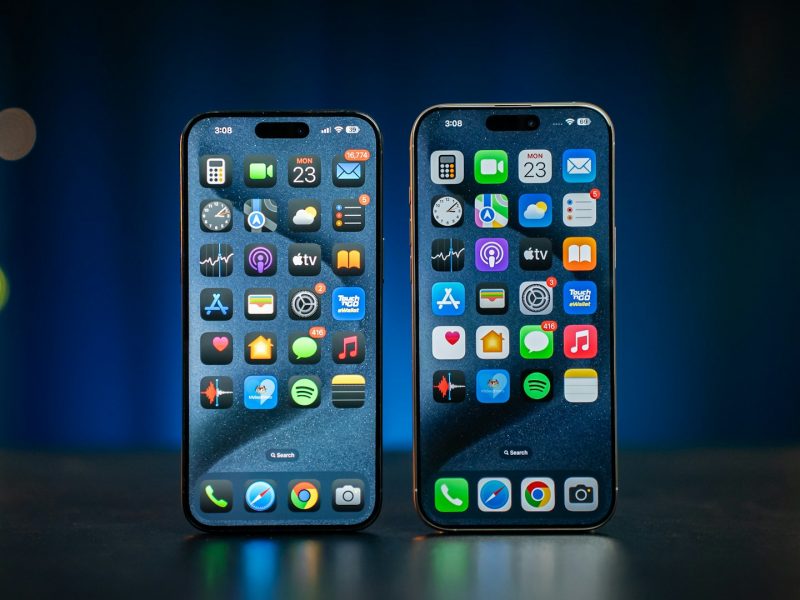
As users are forced to update their software, the hardware they’re running it on—specifically the iPhone 16 series—is finally being put through its paces in long-term testing. The good news is that the hardware is holding up its end of the bargain. Our recent tests confirm that Apple wasn’t exaggerating about the improvements this year. There’s a measurable bump in battery capacity and, more importantly, actual daily longevity compared to the previous generation. Even the charging speeds, a long-standing grievance for many, have finally seen a much-needed boost.
The iPhone 16 Pro Max, in particular, remains a formidable tool for mobile photographers. The combination of the 48MP Fusion sensor and the upgraded 48MP ultra-wide lens with an f/2.2 aperture delivers a level of detail that’s hard to beat. While the 5X telephoto lens hasn’t changed since the 15 Pro Max, the new Photographic Styles and enhanced video capabilities keep the device at the top of the food chain.
Looking Toward the Future of Siri and AI
The software push is also about building the foundation for Apple Intelligence. We’ve already seen the first wave of features like Writing Tools and smarter notification summaries. Looking ahead, the integration of ChatGPT and the arrival of “Image Playground” are expected to drop before the end of the year. The real test, however, will come in 2025, when the completely overhauled and significantly more capable version of Siri is slated to arrive. Apple clearly feels that to get there, it needs everyone on the same page—even if it means forcing a few hands along the way.